
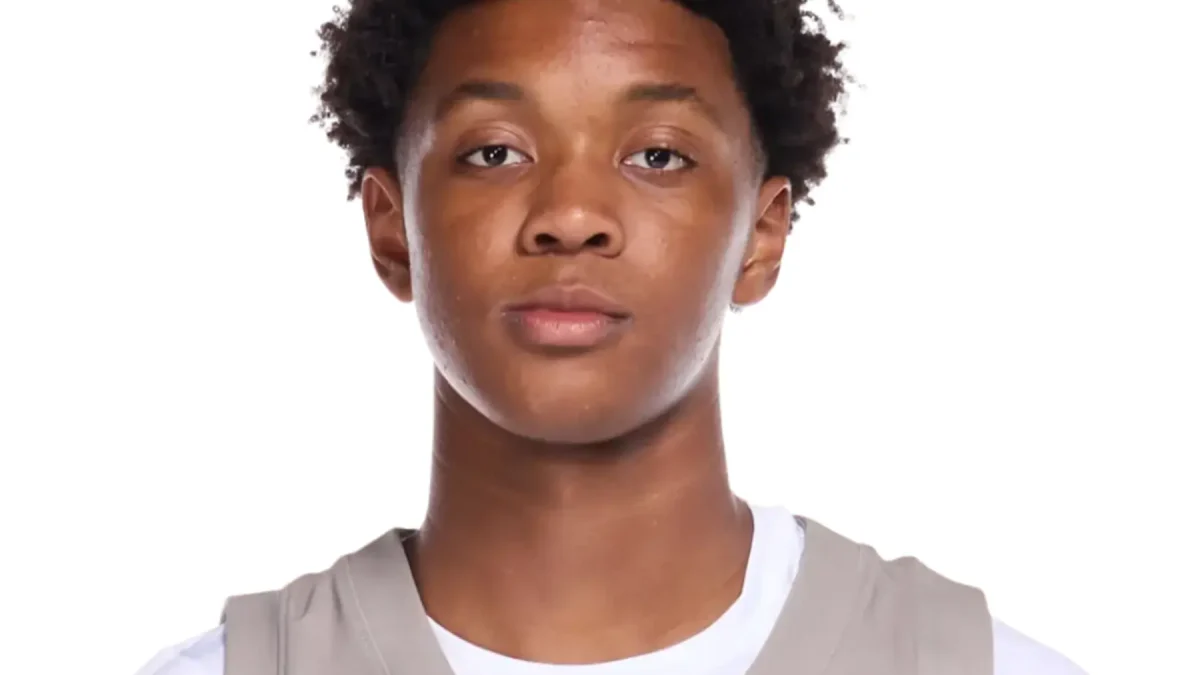
Can a freshman guard from UConn genuinely crack the NBA lottery in 2026? That question sounds simple, but the answer splits scouts, analysts, and fan bases right down the middle. Braylon Mullins has become one of the most debated prospects in this draft cycle, and the range of projections tells you everything about how difficult he is to evaluate.
Some mock drafts slot him at No. 11. Others push him to No. 14. ESPN has him landing with the Golden State Warriors as a lottery pick.
USA TODAY’s projections keep him firmly in UConn’s highest draft position among all current Huskies. That spread is not a sign of confusion. It reflects a genuine debate about what kind of player Mullins becomes at the next level.
I’d argue this debate is worth taking seriously, because where Mullins lands will shape both his career trajectory and the franchise that selects him.
The Setup: Why Mullins Divides Draft Analysts
Mullins is a five-star freshman guard who entered UConn as one of the most decorated recruits the program has signed in recent memory. His combination of shooting mechanics, off-ball movement, and defensive versatility has drawn legitimate lottery buzz throughout the 2025-26 college season.
Yet the debate persists. One camp sees a polished, NBA-ready shooter who can contribute immediately. The other camp questions whether his production against college competition translates cleanly to a league that punishes weak-side defenders and demands elite athleticism at the guard position.
| Source | Projected Pick | Projected Team | Key Reason |
|---|---|---|---|
| ESPN Mock Draft | Lottery | Golden State Warriors | Elite shooting, system fit |
| USA TODAY Mock Draft | Top 15 | TBD | Highest UConn prospect |
| Greenwich Time / CT Media | No. 11 | TBD | Lottery upside, two-way potential |
| Pro Football Network | Mid-to-late lottery | TBD | Versatile guard, shooting upside |
| Heavy.com | No. 14 | Final lottery pick | Ceiling vs. floor debate |
The table above captures the consensus range: Mullins is a lottery pick in virtually every credible mock draft as of March 29, 2026. The disagreement is about where within that range he ultimately settles.
Side A: The Case for Mullins as a Top-12 Pick
Proponents of a high lottery slot point to three pillars: shooting efficiency, positional versatility, and the UConn program’s recent track record of developing NBA talent.
Mullins’s shooting mechanics are consistently described as elite for a freshman. His release is compact, his footwork on pull-ups is sound, and he demonstrates the off-ball awareness that modern NBA offenses demand from wing guards. These are not traits teams can easily develop after the draft; they are baseline skills that scouts pay premium prices to acquire.
- Elite catch-and-shoot ability from the corners and above the break
- Consistent free-throw percentage indicating real shooting touch, not just volume
- Active hands and lateral quickness that project as genuine two-way upside
- UConn’s system under Dan Hurley prepares guards for NBA-level reads and spacing concepts
The Warriors connection from ESPN’s mock draft is not random. Golden State has historically valued shooters who can function off the ball alongside a primary creator. Mullins fits that profile almost precisely. A franchise that built championships around shooting and movement would see his skill set as a natural complement to their existing core.
Side B: The Case for Skepticism About His Exact Slot
The counterargument is not that Mullins is a bad prospect. It is that the gap between No. 11 and No. 14 carries real financial and roster-building consequences, and the uncertainty is legitimate.
Freshman guards from high-major programs carry inherent projection risk. College success, even at a program as sophisticated as UConn, does not guarantee NBA readiness. The physical demands of guarding NBA-caliber athletes for 82 games differ substantially from a 35-game college season. Scouts who push Mullins toward the back end of the lottery are not dismissing him; they are pricing in that uncertainty.
There are also questions about his creation ability off the dribble. Mullins is widely praised as a shooter and off-ball player. His ability to generate his own shot against NBA-level defenders, particularly in late-clock situations, is less proven.
For context, Teams picking in the 11-to-14 range are often looking for players who can eventually shoulder primary creation duties. If Mullins is primarily a complementary piece, some franchises may prefer a different profile at that slot.
“Braylon Mullins projects as a mid-to-late lottery pick due to his elite shooting, upside, and two-way potential.” — Pro Football Network
That framing from Pro Football Network captures the tension well. “Upside” is a word scouts use when they believe in a player’s ceiling but acknowledge the floor is not yet proven. It is a compliment with an asterisk.
What the Data Actually Shows About His Draft Range
Objective aggregation of mock drafts tells a clear story. Mullins consistently appears between picks 11 and 14 across credible outlets. That four-pick range is relatively tight for a freshman prospect, which itself signals strong consensus about his general tier.
According to NBA.com’s draft resources, lottery picks carry guaranteed contracts and significantly higher rookie scale salaries than picks 15 through 30. The difference between pick 11 and pick 14 in rookie salary terms is approximately $500,000 to $800,000 annually under current collective bargaining structures. That is not trivial for a player entering his first professional contract.
Tyler Metcalf and Tyler Rucker, analyzing Mullins’s draft stock in a recent breakdown, noted that specific performance metrics could meaningfully shift his position upward or downward before the June draft. Pre-draft workouts, the NBA combine measurements, and any late-season tournament performance all feed into final board placements.
- NBA combine measurements in May will clarify his wingspan and athleticism relative to the guard pool
- Private workouts with lottery teams typically occur in late April and May
- Any injury or poor performance in March or April could push him toward the 14-15 range
- A strong NCAA Tournament run could push him back toward the 10-11 range
UConn’s program history matters here too. Dan Hurley has sent multiple guards to the first round in recent drafts, and those players have largely validated their projections at the professional level. Teams know what a UConn guard looks like as a rookie. That familiarity reduces uncertainty, which tends to push prospects up boards rather than down.
For more context on how UConn prospects have performed post-draft, UConn’s official athletics page tracks program alumni at the professional level, according to uconnhuskies.com.
The Verdict: Where Mullins Most Likely Lands
Taking all available projections together, No. 11 to No. 14 is the honest range. I’d put the most likely landing spot at No. 12 or No. 13, with the Warriors connection from ESPN carrying real weight given their organizational needs and drafting history.
The Golden State fit makes structural sense. A team rebuilding around a new core needs shooters who can space the floor immediately. Mullins does not need the ball to be effective, which is exactly what a franchise in transition values. He can coexist with a primary ball-handler without demanding touches to justify his roster spot.
If the Warriors do not hold a pick in that range, teams like the ones selecting at 11 through 14 with shooting needs become the logical alternatives. Several rebuilding franchises in that lottery zone would benefit from a player who can contribute on offense from day one while developing his defensive consistency over time.
The case against a top-10 slot is straightforward: the creation questions are real, and teams selecting in the top 10 generally want higher ceilings or more proven floor games. Mullins is not that kind of prospect yet. He is a high-floor shooter with genuine two-way upside, which is valuable but not top-10 valuable in a draft with stronger primary creators available.
What This Debate Means for the 2026 Draft Class
Mullins’s projection matters beyond his individual career. His placement in mock drafts signals how the broader 2026 class is shaping up. A freshman guard from a major program landing in the lottery tells you that this draft class has depth but may lack a dominant top-5 talent, creating compression in the 8-to-15 range.
That compression is good news for teams with multiple lottery picks. It means the difference between the 8th and 14th pick is smaller than in a typical draft, which makes trades within that range more feasible. Franchises that want Mullins specifically do not need to trade up dramatically to get him.
For UConn, having their top prospect projected as a lottery pick continues a remarkable run of NBA development under Hurley. The program has become a legitimate pipeline, and Mullins’s draft position will either reinforce or slightly complicate that narrative depending on where he ultimately goes.
For fans tracking this draft, the ESPN NBA Draft hub and NBADraft.net both update projections regularly as combine and workout information becomes available. Checking both gives you the broadest picture of consensus versus outlier projections for Mullins and the rest of the class.
The bottom line is this: Braylon Mullins is going in the lottery. The debate is about the specific slot, and that debate will not fully resolve until draft night in June 2026.
More Stories Like This
- Real Madrid y Barcelona se enfrentan otra vez en Liga F — y el equipo que pierda podría despedirse del título esta misma jornada
- checkdayamerica.com.com/ucla-women-surge-second-half-crush-minnesota/” style=”color:#0284c7;text-decoration:none;font-weight:500″>The halftime adjustment UCLA made against Minnesota that most fans never noticed — and why it sent the Bruins straight to the Elite Eight
Frequently Asked Questions




Leave a Reply