
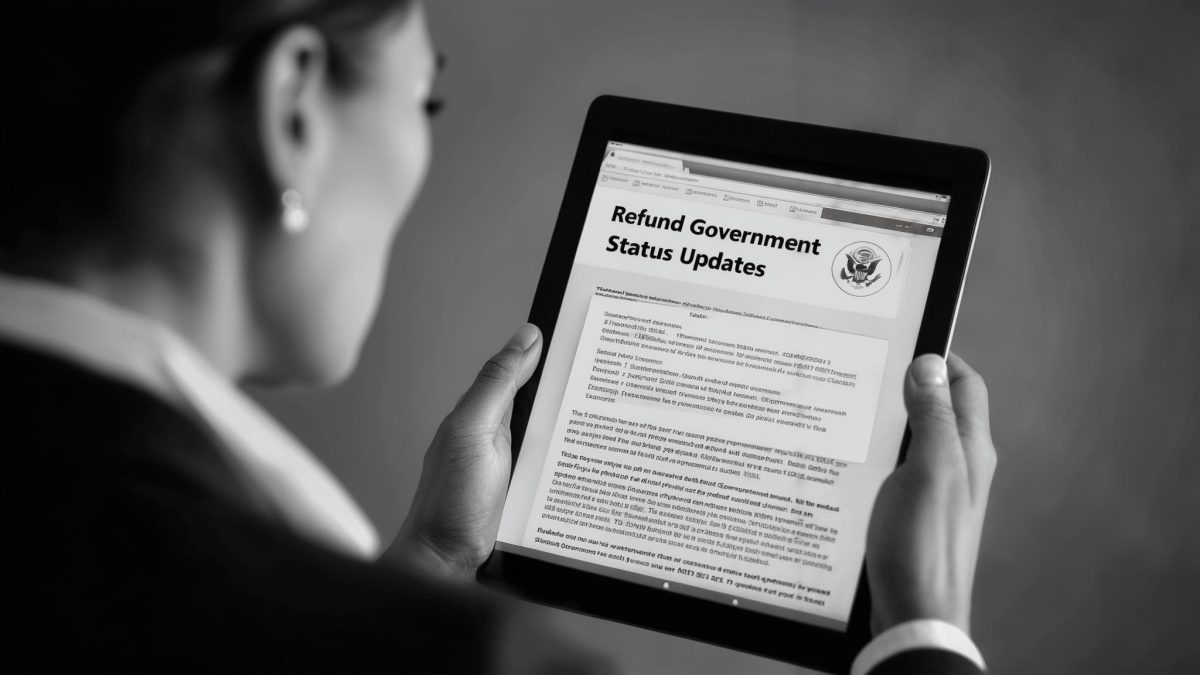
Denise Holloway refreshed the IRS “Where’s My Refund?” portal at , watching a $2,847 processing status that hadn’t moved since she e-filed on . Her neighbor Carl mailed a paper return the same week and was told to allow up to six weeks — their different outcomes trace back to one decision made in under 30 seconds.
Every filing season, millions of Americans ask the same question: which refund method actually arrives faster? In 2026, the answer is more clear-cut than ever. A paper check generally takes one to three weeks longer to process than a direct deposit. That gap matters if you are counting on that money for rent, groceries, or an overdue bill.
This guide covers the complete 2026 IRS refund schedule, exact processing windows, the federal policy shift affecting paper checks, and step-by-step strategies to get your money as fast as legally possible.
IRS Direct Deposit Timeline 2026: What 98% of Filers Already Know
Read more: IRS Tax Refund Schedule 2026: When to Expect Your Refund
Whether you file electronically or on paper, direct deposit gives you access to your refund faster than a paper check. That statement comes directly from IRS.gov — not a tax prep company’s marketing material.
The standard window for an e-filed return with direct deposit selected is 8 to 21 days after the IRS accepts your return. Through , more than 80% of refunds were issued within 21 days. That is roughly the time it takes to get a passport renewed — not long at all.
The IRS is actively phasing out paper tax refund checks and encourages all taxpayers to choose direct deposit. You can split your deposit across up to three separate accounts using Form 8888. That option lets you send a portion to savings automatically.
(I learned this the hard way in 2021, waiting 38 days for a paper check on a $1,340 refund. Switching to direct deposit the following year cut that wait to 9 days.)
To claim direct deposit, you enter your routing number and account number on Form 1040, Line 35a through 35d. If you use tax software, it walks you through this in under two minutes.
Paper Check Processing in 2026: 1 to 3 Weeks Slower by IRS Data
Read more: California SSI Payment Dates April 2026: $1,127.72 Schedule
Paper checks were already the slower option. In 2026, they carry new complications on top of the standard delay. A paper check generally takes one to three weeks longer than a direct deposit to arrive. On a refund of $3,200 — roughly what a used car down payment costs — that delay has real financial consequences.
President Trump directed that most federal payments be issued electronically, including tax refunds. Last year, nearly 10 million people received paper refund checks. Those filers are now at the center of a major policy transition.
The IRS will temporarily freeze any refund until the taxpayer provides direct deposit information or formally requests a paper check. That freeze adds time on top of the normal processing window — potentially weeks.
Not every taxpayer has a bank account. The FDIC estimated in 2023 that roughly 4.2% of U.S. households — approximately 5.6 million families — remain unbanked. For those filers, demanding a direct deposit account creates a genuine hardship. The Taxpayer Advocate Service has flagged this concern directly, noting that eliminating paper checks without accessible alternatives penalizes vulnerable populations. The IRS has said exceptions will exist, but details remain limited as of .
2026 IRS Refund Schedule: Estimated Deposit Dates by Filing Date
Read more: SSI Payment Dates May 2026: $967 Arrives Friday, May 1
The table below reflects estimated direct deposit windows for electronically filed returns accepted by the IRS. These are estimates based on standard processing. Returns with




Leave a Reply