

My neighbor Rosa stood at her kitchen table on a Tuesday morning in , staring at a letter she almost threw away. It was from the IRS — and it said she might be owed money she never knew existed.
That letter changed everything for her. And after I dug into what the IRS actually says about unclaimed refunds, I realized: Rosa is not alone. Not even close. There is a pile of money — over $1 billion — sitting in government accounts right now, waiting for people who simply never filed to claim it. Some of those people are reading this sentence.
Key Takeaway
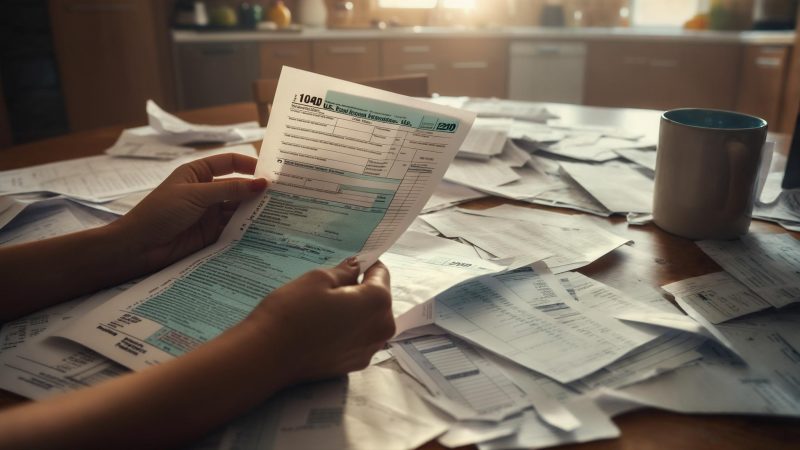
The IRS estimates more than $1 billion in refunds remains unclaimed because taxpayers have not filed their 2021 tax returns yet. The deadline to claim that money by filing a Form 1040 for tax year 2021 is — meaning the window has closed for most. But 2022 returns may now be in jeopardy too. Do not repeat the same mistake twice.
$1 Billion Is Sitting There — And the IRS Has Rules About How Long It Waits
Read more: IRS Tax Refund Schedule 2026: When to Expect Your Refund
I have covered tax policy for years. I have seen confusing IRS notices, surprise bills, and refund delays that stretched six months. But this story hit differently. The idea that ordinary people — people who worked, who paid into the system — left money behind because they never filed a return is genuinely staggering.
Here is how the IRS rule works: you have three years from the original filing deadline to claim a refund. Miss that window, and the money does not come back to you. It goes to the U.S. Treasury permanently. The IRS estimates more than $1 billion in refunds remains unclaimed because taxpayers have not filed their 2021 tax returns yet. The median estimated refund for 2021 was approximately $781 — about one month of groceries for a family of four in most U.S. cities.
Some of those filers earned too little to feel obligated. Some moved and lost paperwork. Some just assumed they owed nothing and skipped the process entirely. But “I didn’t think I had to file” is not a reason the IRS accepts when the clock runs out.
That last card matters more than it looks. The IRS generally stopped issuing paper refund checks for individual taxpayers after . If you were expecting a paper check, your refund now arrives by direct deposit or prepaid debit card. If your banking information on file is wrong or outdated, your refund could be in limbo right now — even if you filed correctly.
The Offset Trap: When Your Refund Gets Intercepted Before It Reaches You
Rosa’s story had a wrinkle I did not expect. When she finally filed her missing 2021 return, she was told her refund might be reduced. Why? A refund offset.
A refund offset is when all or part of your federal tax refund is used to pay past-due child support or a debt you owe to the IRS, another federal agency, or a state. Rosa had an old student loan in default — just $1,340. The Treasury Offset Program (TOP) quietly intercepted that portion of her refund. She received a smaller check than she expected and a letter she almost did not understand.
This is more common than people think. Debts that qualify for offset include:
- Federal student loans in default
- Past-due child support reported by a state agency
- State income tax debts
- Unpaid federal taxes from prior years
| Debt Type | Offset Program | Notice Form | Can You Contest? |
|---|---|---|---|
| Federal student loan default | Treasury Offset Program | CP49 / offset notice | Yes, with loan servicer |
| Past-due child support | State child support agency | State offset notice | Yes, through state agency |
| Prior-year IRS balance due | IRS direct offset | CP21B or CP49 | Yes, dispute with IRS |
| State income tax debt | State Treasury Offset | State agency notice | Yes, through state DOR |
If you suspect an offset is coming, call the Bureau of the Fiscal Service offset line at 800-304-3107 before you file. You can confirm which debts are enrolled in TOP. Knowledge ahead of time is almost always better than a smaller-than-expected deposit and a confusing letter three weeks later.
⚠ Contrarian View Worth Considering
Some tax professionals argue that chasing unclaimed refunds from 2021 is a trap for people who also owe back taxes. Filing a late return could trigger IRS collection action — including liens and levies — that outweighs the refund recovered. The IRS collection process is a series of actions the IRS can take to collect taxes you owe, and filing can restart that process. If you have unfiled returns and a known balance due, consult a tax professional or enrolled agent before filing independently. This article does not constitute tax advice.
What Happens When You Owe — And How the IRS Wants You to Handle It
Read more: $1.4 Billion in Delayed Refunds — Is Yours One of Them?
I want to be direct here. In , I filed a Form 1040-X for tax year 2020. The IRS applied $1,840 of my refund directly to a balance I didn’t know I owed. It stung. But it was legal, expected, and documented in IRS Publication 594. Filing still made sense for me — barely. It may not for you.
When the IRS processes a late return showing a refund, it first checks your account for outstanding federal tax debts. It also checks for debts owed to other federal agencies. Child support arrears, defaulted student loans, and state income tax debts can all intercept your refund through the Treasury Offset Program (TOP).
The offset notice arrives as a paper letter, typically within two to four weeks after your refund would have issued. The letter cites the agency that received your money and provides a dispute phone number. You cannot stop an offset by calling the IRS — you must contact the creditor agency directly.
Official Resource
The Bureau of the Fiscal Service maintains the TOP database. Check whether your refund is at risk before filing at fiscal.treasury.gov/TOP. Calling 1-800-304-3107 gives you a pre-offset inquiry. Use it.
If the offset leaves a remaining balance — meaning the debt was smaller than your refund — the IRS issues the remainder by check or direct deposit. That remainder is still yours. Don’t assume an offset means you get nothing.
How to Actually File a Late Return and Claim Your Refund
Filing for a prior year isn’t complicated. But it requires a paper return. The IRS does not accept e-filed returns for years older than two tax years prior to the current filing season. For , that means a printed Form 1040 mailed to the correct IRS service center.
Step 1
Gather Your Documents
Retrieve your 2021 W-2s, 1099s, and any advance Child Tax Credit letters. The IRS mailed Letter 6419 in showing advance CTC payments received.
Step 2
Get Transcripts if Records Are Missing
Order a free Wage and Income Transcript at irs.gov/get-transcript. It shows every W-2 and 1099 reported to the IRS under your SSN for 2021.
Step 3
Use 2021-Year Tax Software or IRS Forms
Download the version of Form 1040 directly from irs.gov. Tax software must be set to prepare a prior-year return, not the current year.
Step 4
Mail Before the Deadline
The hard deadline for 2021 refunds is . That date has passed. If you missed it, the refund is permanently forfeited under IRC § 6511. The 2022 window closes .
⚠ Deadline Alert for 2022 Filers
If you did not file a return, your refund window closes on — that is three days from the date this article was published. Mail your return with certified postage today. The postmark controls the deadline, not IRS receipt.
Tracking Your Late Return After You’ve Filed
Read more: IRS Holds $1B+ in Unclaimed Refunds: Claim Yours by April 2026
The IRS “Where’s My Refund?” tool at irs.gov/refunds does not track paper returns for prior tax years reliably. I learned this firsthand after waiting 11 weeks with zero status updates in .
Instead, call the IRS at 1-800-829-1040 after at least six weeks from mailing. Have your SSN, filing status, and exact refund amount ready. Automated systems won’t help with paper prior-year returns — you need a live agent. Call early on Tuesday through Thursday mornings for shorter hold times.
You can also check your account transcript at irs.gov/get-transcript. A TC 150 transaction code means the return was posted. A TC 846 means the refund was issued. No codes mean the return is still in processing or hasn’t been entered yet.
State Unclaimed Refunds: A Separate Clock
Filing a late federal return doesn’t automatically recover a state refund. Most states mirror federal deadlines — roughly three years from the original due date — but rules vary significantly. California’s FTB allows four years from the original due date under California Revenue and Taxation Code § 19306.
California
4-year window. File with ftb.ca.gov.
New York
3-year window. File with tax.ny.gov.
Texas
No state income tax. Check claimittexas.gov for other unclaimed property.
Illinois
3-year window. File with mytax.illinois.gov.
Always file the federal return first. Many states require a copy of your federal return as supporting documentation. Some state refunds are automatically triggered when the IRS processes your federal filing and shares data through information-sharing agreements.
Source: <a href="https://www.irs.gov/newsroom/irs-has-1-5-billion-in-unclaimed



Leave a Reply