
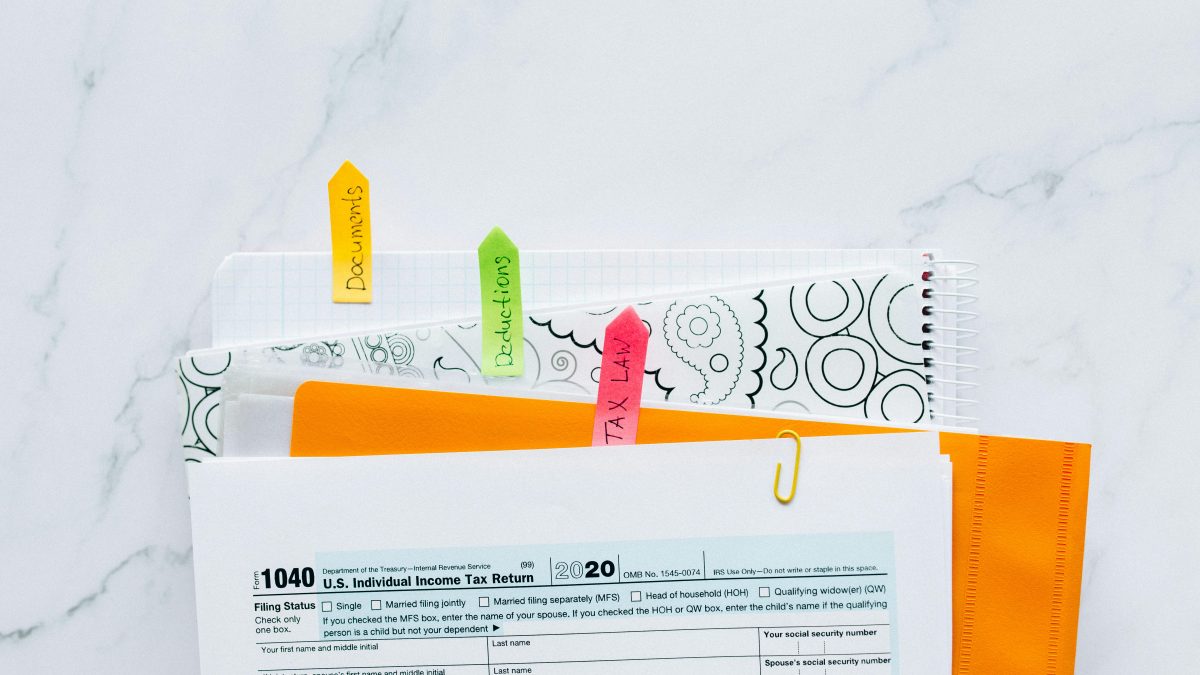
Have you ever felt like you did everything right — filed on time, kept every receipt, claimed nothing you weren’t owed — and still ended up waiting, wondering, and quietly panicking while the IRS sat on your money? That question was still hanging in the air when I met Pauline Mendez on a cold Tuesday morning in February 2026 at a free tax preparation clinic held at a community center in Little Rock, Arkansas.
She was standing at the sign-in table with a thick manila folder tucked under her arm, a thermos of coffee in her hand, and the calm, deliberate expression of someone who has learned to manage chaos by staying organized. She was there not because she couldn’t afford a paid preparer — at 65, she manages a mid-size retail store and earns a comfortable living — but because, as she told me later, she’d had a bad experience with a national tax prep chain the previous year and wanted a second set of eyes on her return for free before committing.
What she didn’t know yet was that this year’s return would put her on a 63-day waiting game with the IRS that would test every instinct she had about trusting the system.
The Return She Filed and the Refund She Counted On
Pauline’s 2025 tax situation was more complicated than most people would guess from the outside. She and her husband Marcus, whom she married in 2019 after both came out of long first marriages, file jointly. Their blended household includes two adult stepchildren from Marcus’s side and one daughter from Pauline’s first marriage, plus two grandchildren — ages 4 and 7 — who live with them full-time while Pauline’s daughter completes a nursing program.
Childcare for the two grandchildren runs approximately $1,640 a month. That’s $19,680 a year flowing out of a household where Pauline also carries $41,000 in student loan debt from a graduate degree in business administration she completed at 58, determined to move into management after two decades on the retail floor.
“People act like student loans are a young person’s problem,” Pauline told me as we sat at a folding table in the corner of the clinic. “I took mine out at 56 because I wanted to be taken seriously at work. And I don’t regret it. But I’m 65, and I’m still paying $380 a month.”
She filed her 2025 federal return electronically on February 4, 2026 — early enough, she thought, to receive her refund well before the childcare bill came due at the start of March. The return included a Child and Dependent Care Credit claim tied to the grandchildren, student loan interest deductions, and a modest amount of self-employment income from a side consulting arrangement Marcus had picked up in Q4 2025. The total expected refund: $4,218.
“I had a plan for that money,” she said, and I could hear the edge of frustration buried under her steady voice. “It wasn’t going to the beach. It was going straight to reduce the balance on one of my student loan accounts.”
When ‘Where’s My Refund’ Stops Being Helpful
The IRS’s Where’s My Refund tool showed her return as “Received” within 24 hours of filing. Then it flipped to “Approved” — briefly. Then it sat. For days. Then weeks.
By February 25, three weeks in, the tracker showed no movement. Pauline called the IRS helpline, was placed on hold for 47 minutes, and was told by an automated system that her return was “still processing” and that she should allow additional time. No specific timeline. No explanation.
She checked the tool every morning. March arrived. The childcare bill came. She paid it from savings, which meant the car repair fund she and Marcus had been quietly building for six months was now gone.
“I kept telling myself, it’s coming,” Pauline said. “I’d done everything right. I had all my documentation. I wasn’t trying to cheat anybody. I just kept waiting.”
What Finally Moved the Needle
On March 3, 2026, Pauline received a CP05 notice in the mail — a two-page IRS letter informing her that her return had been selected for review and that the agency needed up to 60 additional days to verify her income and withholding information. No action was required from her, the letter said. Just wait.
A CP05 notice is one of the most common IRS review letters. It does not mean fraud was detected. It does not mean you filed incorrectly. It is, in the language of the IRS, a routine verification hold — one that can stretch a refund timeline well past the standard 21-day window. Tax preparers at the clinic where I met Pauline confirmed they had seen a significant uptick in CP05 notices during the 2026 filing season, particularly on returns that included childcare credits or mixed W-2 and 1099 income.
The Refund Arrives — and What It Cost Her
On April 10, 2026 — exactly 63 days after she filed — $4,218 landed in Pauline and Marcus’s joint checking account. The full amount. No adjustment, no offset, no explanation for why it had been held. The CP05 review apparently resolved in her favor without any additional documentation being requested.
She didn’t celebrate, exactly. “I was relieved,” she told me. “But I was also just tired. I’d spent two months checking a website every morning like it owed me something. And then it was just — there. No apology. No ‘sorry for the delay.’ Just the money, finally.”
One detail that particularly stung: the IRS only pays interest on delayed refunds when the delay extends beyond 45 days from the filing deadline — not from the date you filed. Since Pauline filed in early February and the tax deadline is April 15, her 63-day wait from submission did not trigger any interest payment from the IRS. The government held her money for two months and owed her nothing extra for it.
The $4,218 went, as planned, toward her student loan balance. She knocked the principal on her largest private loan from $19,400 down to $15,182. The car repair fund remains at zero.
What Pauline Wants Other Filers to Understand
Sitting across from Pauline in that community center on the day we first spoke, before any of this had unfolded, she struck me as someone who had long ago learned that systems — schools, employers, government agencies — were not designed with her in mind. She had built her career and her family around a kind of practical self-reliance that didn’t leave much room for waiting on institutions to come through.
The 63-day refund delay didn’t shatter that worldview. But it confirmed it.
She also wishes she had contacted her congressional representative sooner. The constituent services inquiry she filed didn’t directly cause her refund to release — there’s no way to know that — but it was the one action that felt, in her words, like “doing something real instead of just refreshing a webpage.”
Pauline is already thinking about her 2026 return, which she plans to file in late January 2027. She’s considering adjusting her withholding through a new Form W-4 so that she ends the year closer to break-even — reducing the size of any future refund, and with it, the amount of money she loans the federal government interest-free for months at a time.
“I’m not angry,” she said, gathering her folder as our conversation ended. “I’m just smarter now. That’s how it works when you’re taking care of everybody else — you learn things the hard way, and then you adjust.”
I thought about Pauline on April 10th, the day her deposit cleared. She didn’t text me or call — we weren’t that kind of source and reporter. But I checked in, and she confirmed it with three words: “Finally came through.” Then she went back to work.



Leave a Reply