
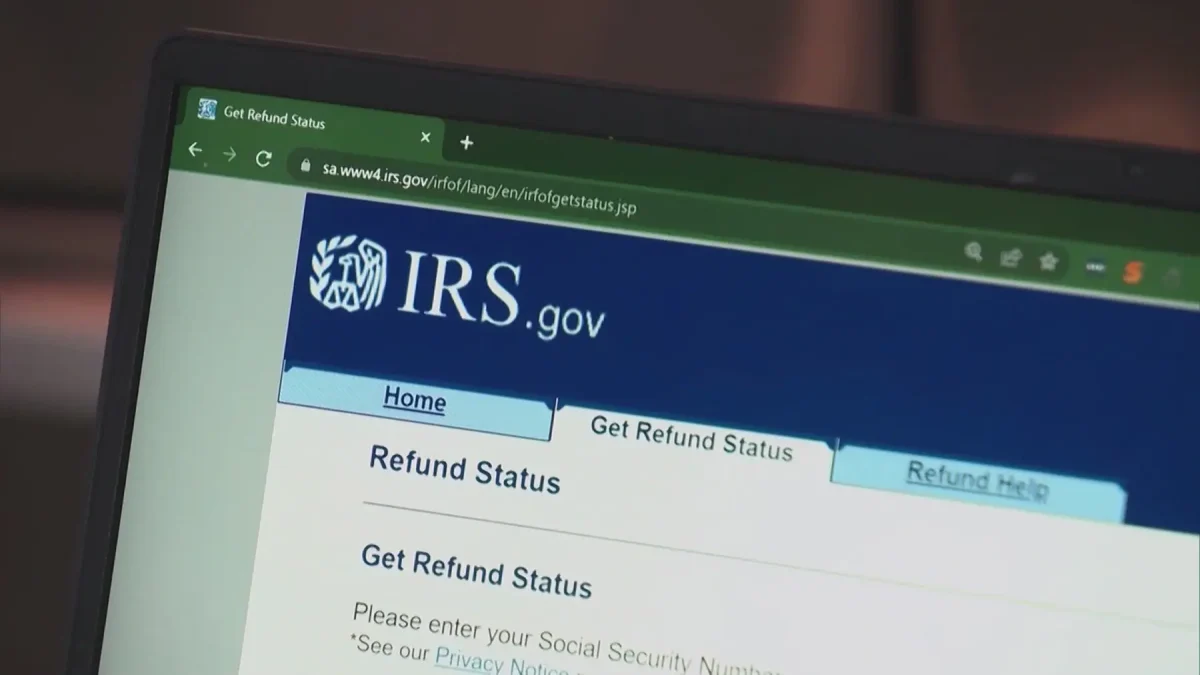
Roughly 1 in 5 taxpayers who file before March 1 still hasn’t received their refund by mid-April, according to IRS processing data; and when that refund is $3,200, the wait stops feeling like a minor inconvenience and starts feeling like a financial emergency. If you filed in February and your direct deposit hasn’t landed, you’re not alone, and you’re probably not imagining things.
This article breaks down the real reasons refunds stall, the legitimate debate over who’s actually responsible, and what the data says about how long you should realistically wait before escalating.
The Setup: Two Very Different Explanations for the Same Problem
When a February-filed return doesn’t produce a refund by late March or April, two competing explanations dominate the conversation. One camp, call them the System Defenders ; argues the IRS is working within normal parameters, and most delays are either statutorily required or triggered by taxpayer-side errors. The other camp, the Taxpayer Advocates ; points to chronic IRS understaffing, outdated processing infrastructure, and a bureaucratic culture that treats refund delays as acceptable collateral damage.
Both positions have real merit. Understanding where they diverge is the only way to figure out which explanation applies to your specific $3,200.
| Delay Reason | Who’s Responsible | Typical Extra Wait | Fixable by Taxpayer? |
|---|---|---|---|
| EITC / ACTC statutory hold | Federal law (PATH Act) | Until mid-February minimum | No |
| Identity verification flag | IRS fraud screening | 3–9 weeks after response | Yes, respond promptly |
| Math or data entry error | Taxpayer or preparer | 2–6 weeks for correction | Yes; file amended return |
| Offset for federal/state debt | Treasury Offset Program | Refund reduced or eliminated | Partial, dispute the debt |
| IRS backlog / manual review | IRS capacity issues | 4–12 additional weeks | No; but escalation helps |
| Paper return filed | Taxpayer choice | 6–8 weeks baseline | Prevented by e-filing |
Why Are Tax Refunds Delayed? Side A: The IRS Is Operating Within Normal Limits
The System Defenders make a stronger case than most frustrated taxpayers want to hear. Several of the most common delay triggers are either legally mandated or directly caused by information the filer controls.
Start with the PATH Act. Passed in 2015, the Protecting Americans from Tax Hikes Act legally prohibits the IRS from issuing refunds that include the Earned Income Tax Credit (EITC) or the Additional Child Tax Credit (ACTC) before mid-February, regardless of when you file. If your includes either of those credits, a February filing date doesn’t guarantee a February deposit, according to checkdayamerica.com. Processing genuinely cannot begin until that statutory window opens.
,200 refund includes either of those credits, a February filing date doesn’t guarantee a February deposit. Processing genuinely cannot begin until that statutory window opens.
Beyond the PATH Act, the IRS flags returns for identity verification at a significant rate. When a return is pulled for ID verification, the agency sends a letter; often a Letter 5071C or 4883C , requesting that the taxpayer confirm their identity online or by phone. If that letter goes to an old address or gets ignored, the refund sits frozen indefinitely. The IRS isn’t dragging its feet; it’s waiting on the taxpayer.
- Math errors on the return trigger automatic correction holds
- Mismatched income figures between your return and employer W-2s cause manual review
- Outstanding federal student loan debt or back child support can redirect your refund through the Treasury Offset Program before it ever reaches your account
- Bank account number errors on direct deposit forms can cause refunds to bounce and re-route as paper checks, adding weeks
Side B: The IRS Has a Real Infrastructure Problem That Harms Taxpayers
The Taxpayer Advocate position isn’t just venting. It’s backed by the IRS’s own internal watchdog. The Taxpayer Advocate Service has repeatedly flagged the IRS for processing backlogs that stretch well beyond what any statutory requirement explains.
Related: Your February Tax Refund Could Already Be Frozen by the IRS Right Now — How I Discovered My $3,200 Was on Hold and What to Do Immediately</p
During recent tax seasons, the IRS entered filing season with millions of unprocessed returns from prior years still in inventory. Staffing shortages, worsened by budget constraints and attrition; mean that returns flagged for manual review sit in queues for weeks before a human examiner touches them. A return that should take three days to clear can take three months simply because there aren’t enough employees to process it.
Outdated technology compounds the problem. Much of the IRS’s core processing infrastructure runs on COBOL-based systems that date to the 1960s. These systems can’t always communicate cleanly with modern e-filing platforms, which creates data handoff errors that trigger holds no taxpayer caused.
“Taxpayers who are owed refunds are essentially giving the government an interest-free loan, and when the IRS delays those refunds without cause, it shifts a real financial burden onto families who planned around that money.”, Taxpayer Advocate Service Annual Report
For a family that planned to use a $3,200 refund to cover a car repair, medical bill, or rent shortfall, a 10-week unexplained delay isn’t a bureaucratic footnote; it’s a cash flow crisis. The Taxpayer Advocates argue the system is structurally biased toward protecting the government’s processing convenience over the taxpayer’s financial reality.
What the Data Actually Shows About Refund Timelines
Objective data cuts through both narratives. The IRS’s own published guidance states that most e-filed returns with direct deposit are processed within 21 days. That’s the benchmark the agency itself sets. Paper returns take six to eight weeks under normal conditions.
But “normal conditions” is doing a lot of work in that sentence. IRS processing statistics from recent filing seasons show that returns requiring any form of manual intervention, identity verification, error correction, offset processing; routinely take 60 to 120 days from the filing date. That’s not an edge case. Millions of returns fall into this category every year.
The IRS Where’s My Refund tool ( checkdayamerica.com) provides status updates in three stages: Return Received, Refund Approved, and Refund Sent. If your return has been stuck on “Return Received” for more than 21 days after e-filing, that’s a signal, not a guarantee; that your return has been pulled for review. At that point, waiting passively is the wrong move.
- E-filed returns with direct deposit: 21 days average under normal processing
- Returns with EITC or ACTC: Cannot be released before mid-February regardless of filing date
- Returns flagged for identity verification: Add 9 weeks minimum after successful ID confirmation
- Paper returns: 6–8 weeks baseline, longer during high-volume periods
- Returns with math errors: 2–6 weeks for IRS correction, then normal processing resumes
The Verdict: Both Sides Are Partially Right, But the Burden Falls Unevenly
After weighing both positions, the honest answer is that refund delays have two distinct causes that require different responses. When the delay stems from a PATH Act hold, an identity verification request, or a taxpayer-side error, the System Defenders are correct; the IRS is operating as designed, and the fix lies with the filer. Respond to letters quickly, verify your identity promptly, and file amended returns if there’s an error.
When the delay stems from IRS backlog, staffing shortages, or technology failures, the Taxpayer Advocates are correct, and the appropriate response is escalation, not patience. I’d recommend contacting the Taxpayer Advocate Service directly if your refund is more than 60 days past the expected date with no explanation. The TAS exists specifically to intervene in cases where normal IRS channels have failed. You can reach them at taxpayeradvocate, according to taxpayeradvocate.irs.gov.irs.gov or by calling 1-877-777-4778.
A $3,200 refund sitting uncollected is not a rounding error. At current savings account rates of roughly 4–5%, that’s money losing real value every week it sits in IRS limbo rather than your account. The system should work faster. When it doesn’t, you have tools to push back.
What This Debate Means Going Forward
The broader implication of this debate is that taxpayers need to treat refund tracking as an active responsibility, not a passive wait. Filing in February does not automatically mean receiving in February; and assuming otherwise sets up real financial harm for families who budget around an expected deposit date.
Several practical changes reduce your exposure to preventable delays:
- Always e-file with direct deposit , paper returns and paper checks are the single largest source of avoidable delay, adding weeks to an already slow process
- Double-check your bank routing and account numbers before submitting — a single transposed digit can turn a 21-day deposit into a 6-week paper check re-issue
- Monitor the IRS Where’s My Refund tool starting 24 hours after e-filing — status changes give you early warning of review flags
- Forward your mail or update your IRS address immediately after moving — identity verification letters sent to old addresses are one of the most common causes of multi-month freezes
- Contact the Taxpayer Advocate Service at the 60-day mark if no resolution has appeared and the IRS phone lines haven’t provided a clear explanation
The IRS has a real obligation to process refunds within its own stated timelines. When it fails to meet them, escalation through official channels — not social media frustration — is what actually moves the needle. Know your rights, track your return actively, and don’t let a bureaucratic delay turn a temporary cash flow gap into a months-long financial disruption.
More Stories Like This
- He Checked His Bank Account 14 Times a Week Waiting for $3,200 — 6 Months After Filing, He Finally Got Answers
- Your February Tax Refund Could Already Be Frozen by the IRS Right Now — How I Discovered My $3,200 Was on Hold and What to Do Immediately
- If You Filed Your Taxes Late in the Last 3 Years, the IRS Could Owe You Money — I Almost Lost a $3,200 Refund by Missing This One Deadline ( checkdayamerica.com)



Leave a Reply