

Have you ever watched a financial plan fall apart in slow motion — one delayed deposit at a time — while every other bill kept arriving exactly on schedule? When I first heard Bonnie Ivanovic’s name, I was standing at a neighbor’s block party in Coral Gables last February, eating potato salad and half-listening to small talk. A mutual neighbor leaned over and said, quietly, “You should talk to Bonnie. She’s been through it.” Two weeks later, I was sitting at her kitchen table in Miami with a cup of coffee she insisted on making, and a recorder she immediately asked to inspect.
Bonnie Ivanovic is 30 years old. She works as a machine operator at a manufacturing facility in Hialeah, a job she describes with the flat affection of someone who has stopped romanticizing work and started respecting it. She and her husband — who is in his late fifties and recently took early retirement — are empty nesters now, living in the home they’ve shared for years in a neighborhood that used to feel affordable. That word, she told me, feels different these days.
A One-Two Punch: Dropped Insurance and a COBRA Bill That Defied Logic
The trouble started in the fall of 2024 with a water damage claim. Bonnie and her husband filed with their homeowner’s insurer after a pipe burst in their laundry room, causing roughly $11,400 in damage. The claim was paid. Then, four months later, they received a non-renewal notice. Their insurer was exiting the Florida market — a trend that has accelerated dramatically in recent years as carriers struggle with hurricane exposure and reinsurance costs across the state.
Finding replacement coverage was its own ordeal. The quotes that came back ranged from $6,200 to $9,800 per year — nearly triple what they had been paying. They eventually landed a policy at $7,100 annually, adding roughly $490 a month to their housing costs overnight.
Then came the second blow. Bonnie’s husband’s retirement meant the end of his employer-sponsored health insurance. Because Bonnie’s factory job does not offer health coverage to employees — a gap more common than most people assume in manufacturing roles — they had two choices: find a private plan or elect COBRA continuation coverage through his former employer’s plan.
Their COBRA quote arrived in January 2025. The monthly premium: $1,847.
The Plan: Use the Tax Refund as a Bridge
Bonnie had filed their joint federal return in late January 2026, using tax software she’d relied on for several years. The return was straightforward — W-2 income from her factory job, her husband’s pension distributions, and a modest amount of interest income. She told me she was expecting a refund of approximately $4,100, based on overwithholding from prior years and a few legitimate deductions they had accumulated.
The math she had sketched out on a notepad — which she pulled from a kitchen drawer to show me — was painfully specific. Two months of COBRA at $1,847 each came to $3,694. That would leave roughly $400 as a buffer while they shopped for a more affordable plan through the HealthCare.gov marketplace during the special enrollment period triggered by her husband’s loss of job-based coverage.
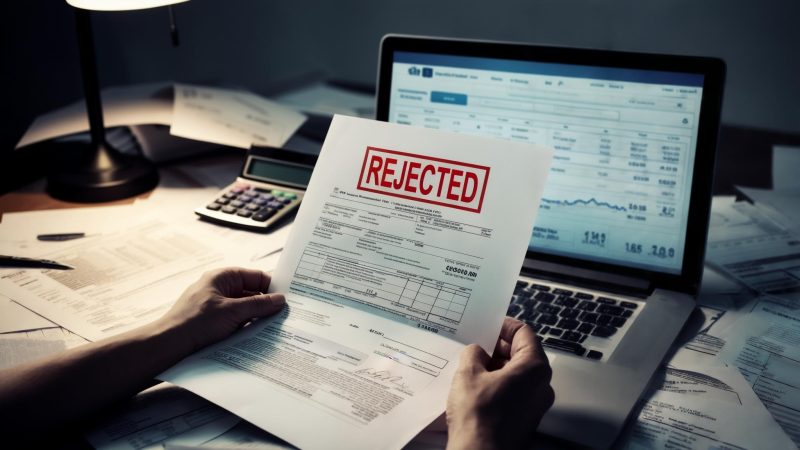
The IRS’s Where’s My Refund tool showed her return was received on January 28, 2026. It moved to “processing” within two days. And then it stopped moving.
Fifty-Eight Days of Watching the Account and Paying Anyway
The standard IRS processing window for electronically filed returns is 21 days, according to guidance published on IRS.gov. Bonnie knew this. She had read it multiple times. What she didn’t know was that returns flagged for identity verification, income matching, or certain review criteria can be held significantly longer without triggering any automatic notice to the filer.
She paid the first COBRA bill on February 1 using savings. She paid the second on March 1 by pulling from a joint emergency fund she and her husband had taken years to build. By then, they had spent $3,694 they had mentally earmarked for those premiums — but the savings account felt different now, depleted in a way that felt hard to explain.
When Bonnie finally reached an IRS representative by phone in mid-March — after a wait she described as “two hours and twelve minutes, I counted” — she was told her return had been pulled for a routine income verification review. No fraud flag, no audit, no notice sent. Just a queue. The representative could not give her a deposit date.
When the Money Finally Arrived — and What It Actually Fixed
On March 27, 2026, Bonnie’s phone buzzed with a bank notification. The $4,100 refund had landed in their joint checking account. She was on the factory floor and didn’t see it until her lunch break. She told me she didn’t feel relief so much as a release of something she hadn’t realized she was holding.
The money did what it was supposed to do, technically. The COBRA payments that had come out of savings were replenished. They had enough to cover two more months of premiums while they worked through marketplace plan options. But something had shifted in how Bonnie thought about relying on a tax refund as a financial tool.
As Bonnie explained, the experience also exposed how fragile the plan had been from the start. Her husband’s retirement had not been fully anticipated — a health scare the previous spring had accelerated the decision. The property insurance situation had layered on top of that. And the COBRA cost, which they hadn’t fully modeled before he retired, had arrived like a wall.
By the time I spoke with Bonnie in late March, they had submitted an application through the marketplace and were awaiting final plan confirmation. The preliminary premium estimate — based on their combined income — was coming in around $970 per month for a Silver-tier plan, a meaningful reduction from the COBRA amount, though still significant for a household now running on one active income.
What Bonnie Took From All of It
I asked Bonnie, near the end of our conversation, whether she felt like she’d come out of this intact. She thought about it for a few seconds before answering — the kind of pause that means someone is choosing accuracy over comfort.
She walked me out through the garage. On the driveway, she mentioned that she had already changed her W-4 withholding elections at work — a small, practical adjustment so that a smaller overpayment flows to the IRS each pay period. She didn’t want to be in a position again where a federal processing queue had the power to unsettle a month of bills.
There’s no tidy lesson in Bonnie’s story, and I’m not going to invent one. What I saw was a person who had done most things right — saving steadily, filing early, having a plan — and still found herself at the mercy of timing she couldn’t control. The IRS processed her return eventually. The COBRA bill arrived exactly on time. The gap between those two realities is where real financial stress lives, quietly, for a lot of families.
Related: He Earned $80,000 a Year as a Union Electrician — Then COBRA and a Debt Garnishment Nearly Erased His Retirement
Related: She Counted on Her Tax Refund to Pay Rent. Then a Debt Collector Claimed It First.
.pvv-faq-section details summary::-webkit-details-marker{display:none}.pvv-faq-section details summary::marker{display:none;content:””}.pvv-faq-section details[open] summary .pvv-faq-arrow{transform:rotate(90deg)}


Leave a Reply